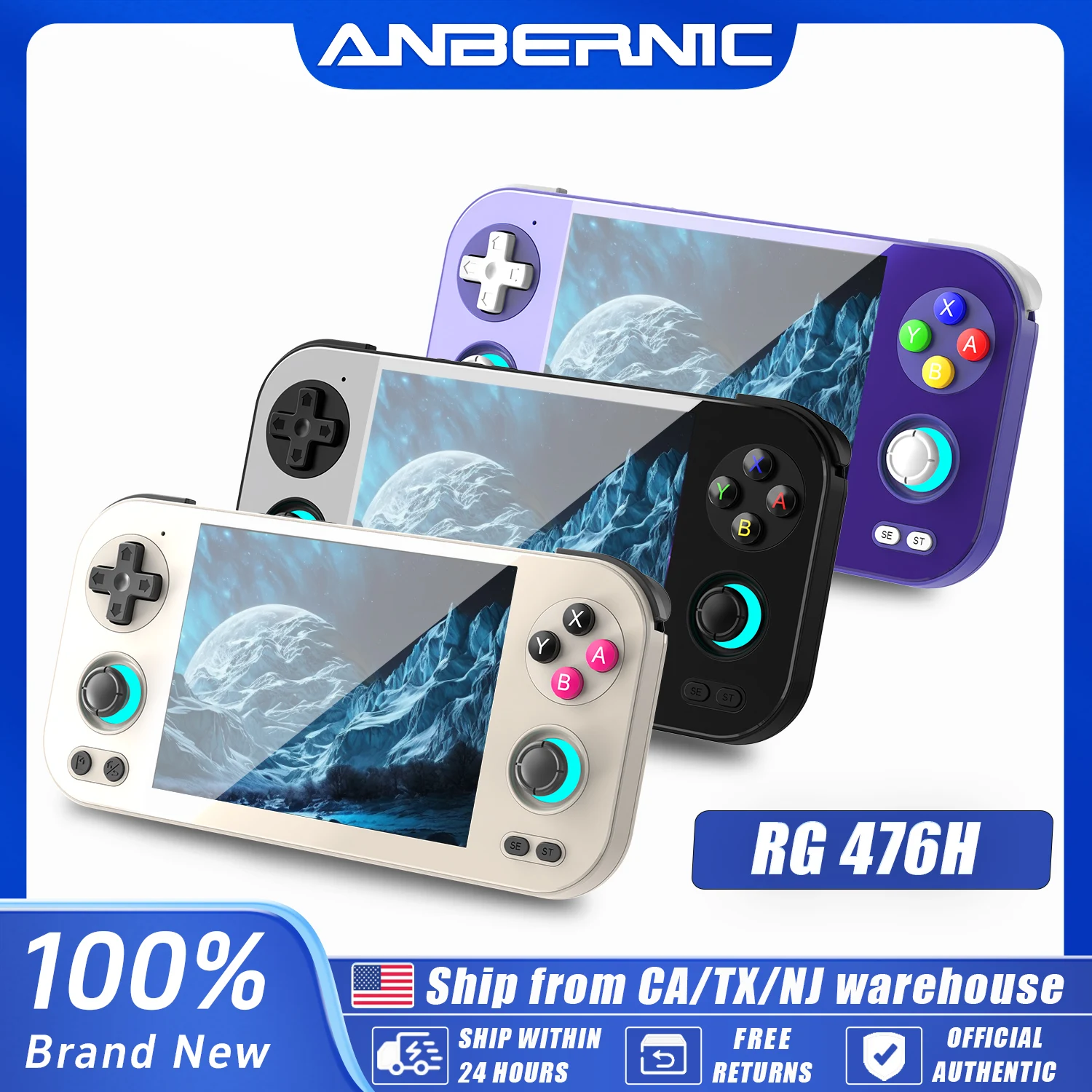
PROTOCOL 01 // COMMUTER CARRY AUDIT

Form Factor, Screen Geometry, and Pocket Ergonomics First.

Marketplace listings drown buyers in synthetic chipset claims. We compare retro handheld listings for the daily commute—focusing on shell shape, control layout, display ratio notes, and firmware path clarity before raw silicon marketing.

RESEARCH BASISRetail Spec Audits
COMMUTE METRICSPocketability & Carry Routine
FIRMWARE CLARITYCFW vs Turnkey Setup
DECISION BLUEPRINT

The Three Transit Form Factors

How a console sits in your jacket pocket or hands on a crowded subway train often matters more than headline performance claims.

VERTICAL POCKET4:3 / 1:1 RATIO

The Straphanger Classic

Compact upright chassis reminiscent of early Game Boy units. Ideal for one-handed subway standing and quick pick-up-and-play sessions. Usually matched with sprite-era libraries where dual thumbsticks are optional.

  • Single-pocket stowage priority
  • Often chosen for Game Boy and NES-era play
  • Check comfort notes for longer sessions
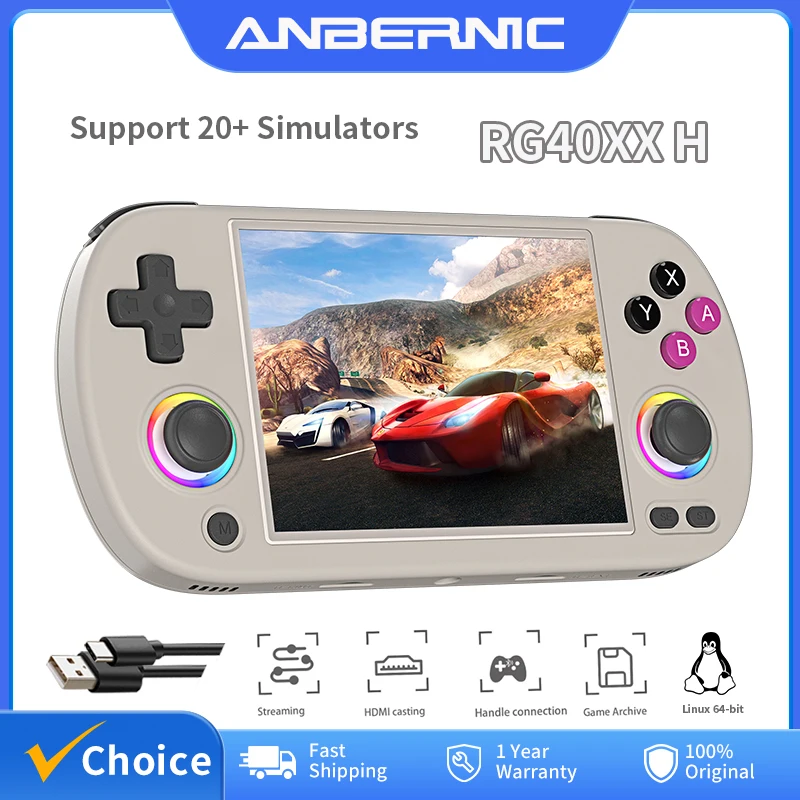
HORIZONTAL SLAB3:2 / 16:9 RATIO

The Balanced Commuter

Wide screen-in-the-middle layout for balanced two-handed hold. Commonly preferred for longer rides and control-heavy games.

  • Shoulder trigger access is a key check
  • Useful when targeting mixed aspect libraries
  • Usually needs deeper pockets or a pouch
CLAMSHELL VAULT4:3 / DUAL SCREEN

The Bag-Proof Enclosure

Hinged shells close over the display, reducing the need for separate screen covers during commute carry.

  • Built-in closure can simplify packing
  • Quick close behavior varies by model
  • Review hinge reports in listing Q&A and community threads
DISPLAY & PLATFORM FIT

Screen Geometry & Emulation Planning

Match your target console generation to listing-stated display ratios and documented software support.

Era & Target SystemsAspect PriorityListing CheckFirmware Question8/16-Bit Libraries (NES, SNES, Genesis, PCE)4:3-friendly presentationLook for clearly named chipsets and active community notesStock OS may be enough; confirm update pathHandheld Classics (Game Boy Advance and peers)3:2-friendly presentationCheck emulator compatibility reports in recent guidesIs extra tuning optional or expected?Early 3D Consoles (PS1, N64, Dreamcast, Saturn)4:3 and control layout alignmentPrioritize models with documented emulator support historyDoes community firmware improve consistency for target titles?Demanding Later-Era PlatformsRatio flexibility plus readable UI scaleTreat ambitious generation claims as unverified until documentedExpect setup trade-offs and per-game adjustments
RESEARCH FRAMEWORK

Listing Audits: How We Evaluate Hardware

We do not claim bench tests or teardowns. We translate seller listings, manufacturer docs, and public community guidance into buyer-facing checks.

01

Aspect Integrity

We check whether listings publish native resolution and ratio details so buyers can plan integer-friendly scaling.

02

Firmware Reality

We clarify whether a device is mainly turnkey or commonly paired with community firmware.

03

Commuter Footprint

We compare listed shell size and carry notes, then outline pocket-versus-bag trade-off questions for commuters.

04

Button Architecture

We note when listings disclose switch style and shoulder layout, and flag when that detail is missing.

EDITORIAL COVERAGE

Published Handheld Overviews

View All Listing Guides →
EDITORIAL INDEPENDENCE

Desk-Research Transparency

This is a listing-based research publication. We do not claim lab tests, teardowns, or guaranteed performance outcomes. Coverage focuses on documented specs, seller disclosures, and publicly discussed firmware support.